Discover Traditional Sindhi Fashion 2026
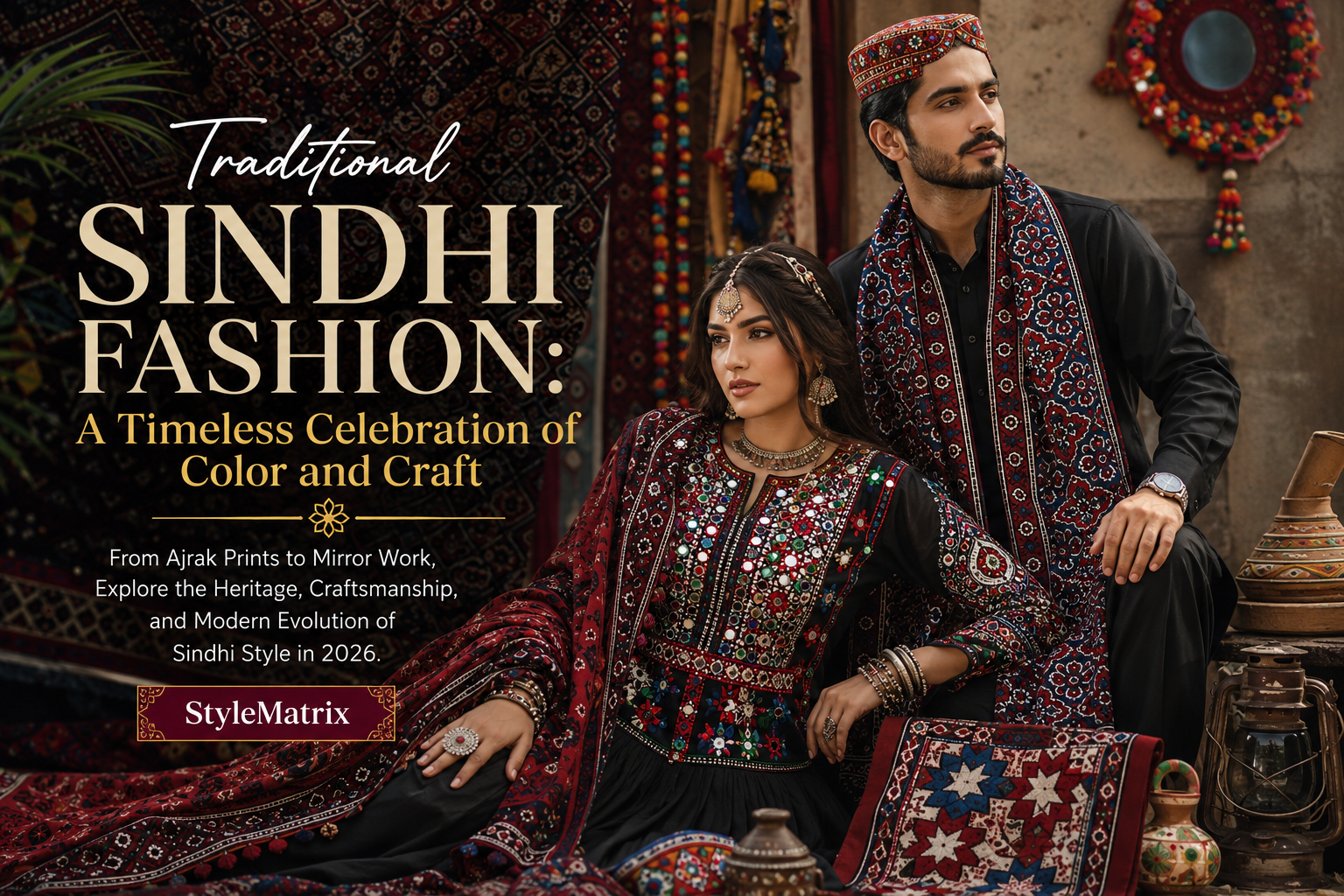
Traditional Sindhi Fashion: A Timeless Celebration of Color and Craft | StyleMatrix
Sindhi fashion tells a story. It speaks of history, culture, and identity through every stitch. From vibrant ajrak prints to intricate mirror work, this style carries centuries of tradition. Today, it continues to inspire modern wardrobes. In this guide, StyleMatrix explores what makes traditional Sindhi fashion so special, and why it still matters in 2026.
The Roots of Sindhi Fashion
Sindhi clothing comes from the Sindh region of Pakistan. This area has a rich cultural history. As a result, its fashion reflects deep artistic roots. Local artisans have passed down their skills for generations. So, every piece carries meaning beyond its appearance. Additionally, the colors, patterns, and fabrics often tell stories about the wearer’s community and heritage.
Key Elements of Traditional Sindhi Fashion
1. Ajrak Prints
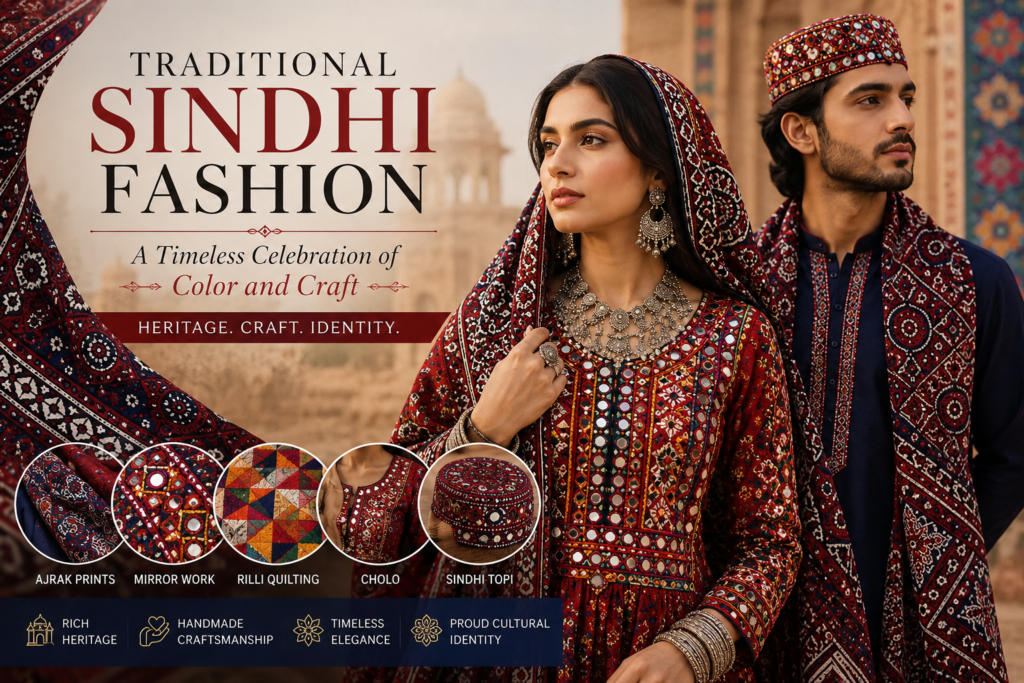
Ajrak is perhaps the most recognizable symbol of Sindhi identity. This block-printed fabric features deep reds, blues, and blacks. Artisans use natural dyes and traditional printing blocks to create it. Consequently, no two ajrak pieces look exactly alike. Today, designers use ajrak not just for shawls, but also for dresses, jackets, and even accessories.
2. Mirror Work Embroidery
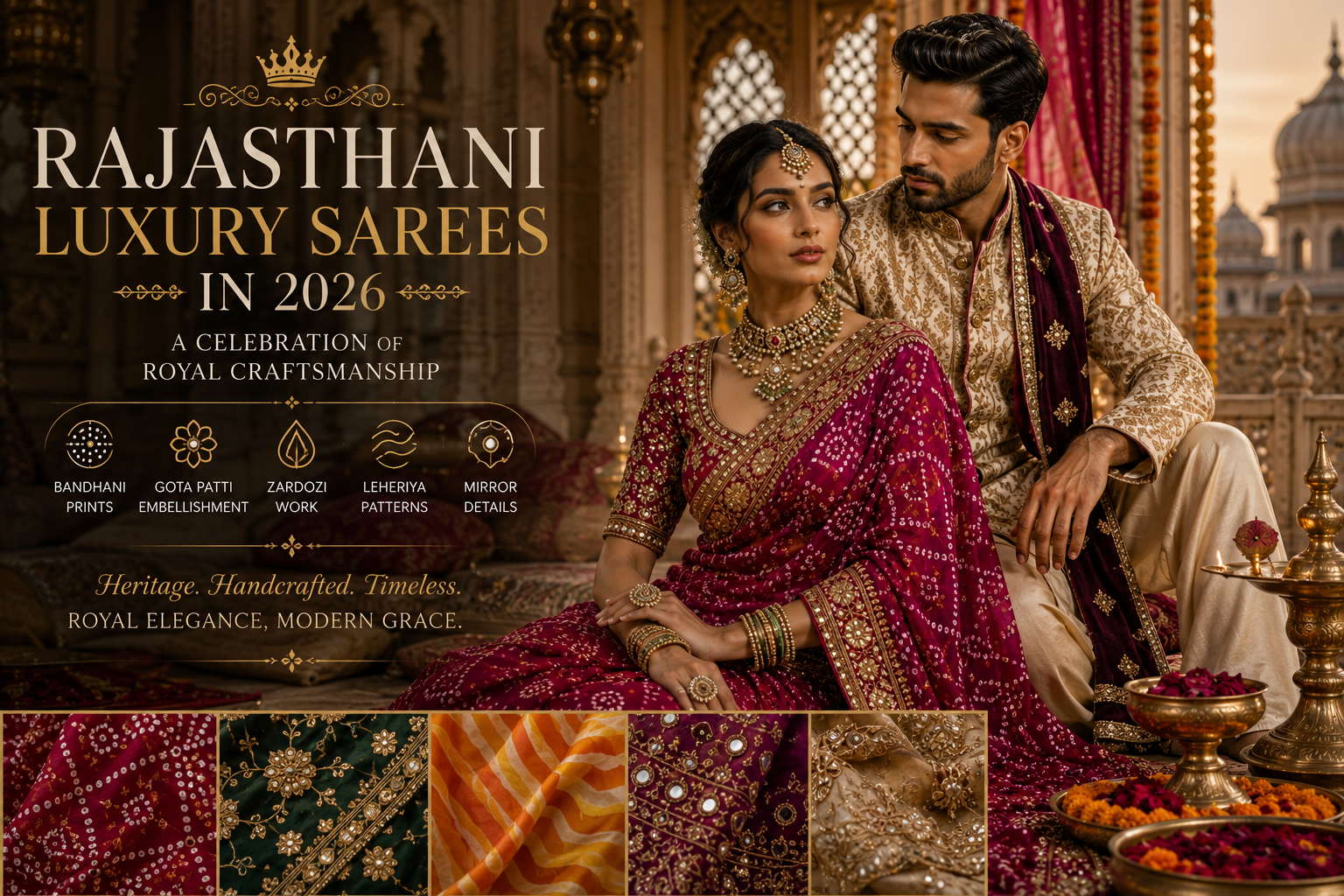
Mirror work, known locally as “sheesha,” adds sparkle to Sindhi outfits. Small mirrors get stitched into fabric alongside colorful thread. This technique catches light beautifully. Therefore, it remains popular for festive and formal occasions alike.
3. Rilli Quilting
Rilli is a traditional patchwork technique. Women stitch together small pieces of fabric to create bold geometric patterns. Originally used for quilts, this craft now appears on jackets, bags, and dresses. As a result, it brings a rustic, handmade charm to modern fashion.
4. Cholo and Suthan
The cholo, a traditional blouse, pairs with the suthan, a loose-fitting trouser. Together, they form a classic Sindhi ensemble. Embroidery and mirror work often decorate the cholo. Meanwhile, the suthan stays comfortable and practical for everyday wear.
5. Sindhi Cap and Turban
Men’s fashion in Sindh includes the iconic Sindhi topi, a colorful cap adorned with mirror work. Similarly, turbans hold cultural significance and vary by region and occasion. Both pieces remain proudly worn today, especially during cultural celebrations.
How Sindhi Fashion Is Evolving in 2026
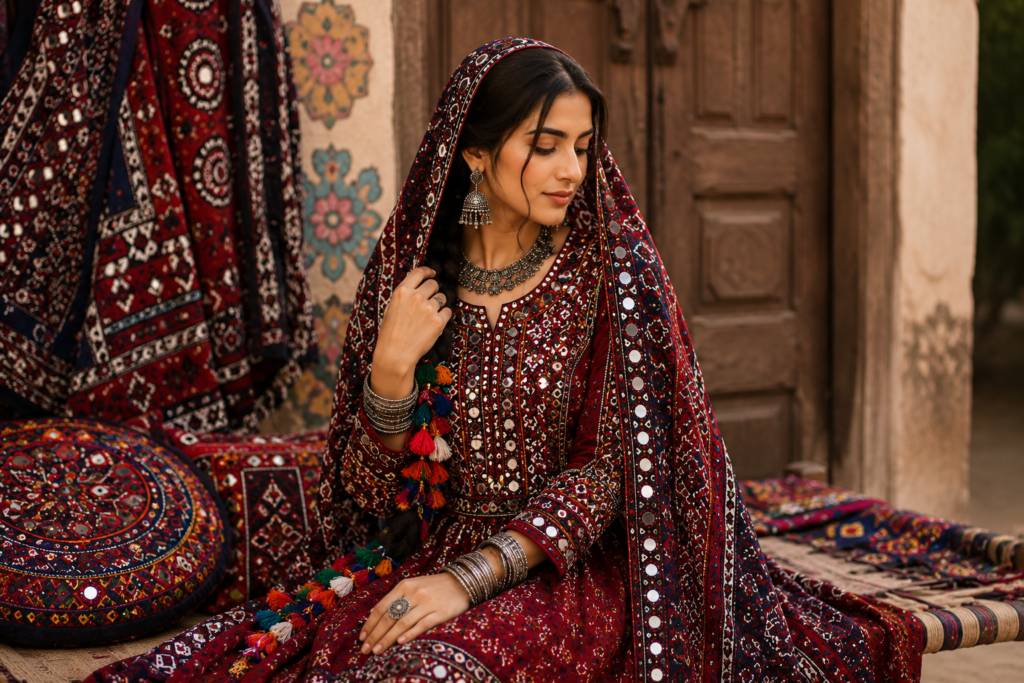
Traditional Sindhi elements continue to inspire contemporary designers. However, the styling has changed. Ajrak now appears on modern silhouettes like fitted dresses and structured jackets. Meanwhile, mirror work often decorates minimalist western pieces instead of only traditional wear. Furthermore, younger designers experiment with pastel ajrak variations, moving beyond the classic red and blue palette. As a result, Sindhi fashion feels both rooted and refreshingly current.
Styling Traditional Sindhi Fashion Today
| Occasion | Suggested Style |
|---|---|
| Cultural Festival | Ajrak shawl paired with a simple kurta |
| Wedding Guest | Mirror-work cholo with an embroidered suthan |
| Casual Outing | Ajrak-print top with denim |
| Formal Event | Rilli-patched jacket over a solid dress |
| Everyday Wear | Sindhi cap or scarf as a subtle accent |
Accessorizing with Sindhi Elements
Jewelry plays a key role too. Silver oxidized pieces complement ajrak prints beautifully. Additionally, bangles and layered necklaces add authentic texture. For footwear, embroidered juttis pair naturally with Sindhi outfits. Meanwhile, a rilli-patched bag can elevate even the simplest look.
Why Traditional Sindhi Fashion Still Matters
Sindhi fashion connects people to their roots. It also supports local artisans and preserves centuries-old techniques. Moreover, wearing these pieces helps keep traditional crafts alive for future generations. In a world of fast fashion, this slow, meaningful approach stands out. Therefore, more people now seek authentic, handmade Sindhi pieces over mass-produced alternatives.
Tips for Wearing Sindhi Fashion Today
- Start small. A single ajrak scarf can update any outfit instantly.
- Mix old with new. Pair a traditional cholo with modern denim.
- Choose quality pieces. Handmade ajrak lasts longer and looks richer.
- Support local artisans. Buying directly helps preserve traditional skills.
- Let one piece shine. Avoid overloading an outfit with too many prints at once.
Final Thoughts
Traditional Sindhi fashion offers more than just beautiful clothing. It tells a story of heritage, skill, and identity. From bold ajrak prints to delicate mirror work, every element carries meaning. As modern designers continue to reinterpret these traditions, Sindhi fashion proves that culture and creativity can move forward together. Ultimately, this timeless style remains as relevant today as ever.
Follow StyleMatrix for more cultural fashion guides and styling inspiration rooted in heritage and craftsmanship.







Post Comment