Kurta Fashion Guide 2026
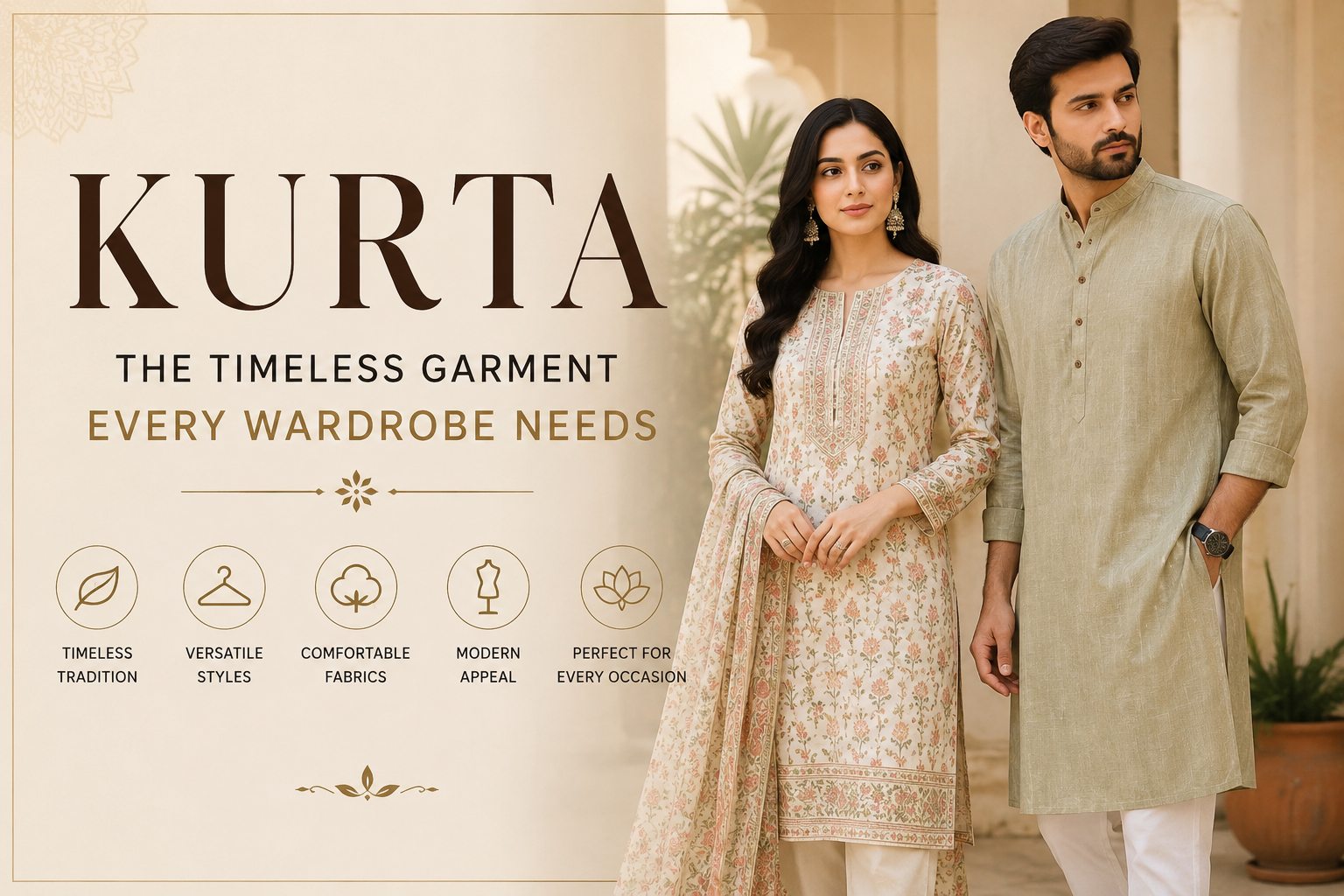
Kurta: The Timeless Garment Every Wardrobe Needs
Few garments carry the same blend of tradition, versatility, and effortless style as the kurta. Worn across South Asia for centuries, the kurta has evolved from a simple everyday garment into a fashion staple embraced by people of all ages, genders, and style preferences. Whether paired with jeans for a casual outing or matched with traditional bottoms for a festive occasion, the kurta remains one of the most adaptable pieces of clothing in any wardrobe.
What Is a Kurta?
A kurta is a loose-fitting, collarless garment that typically falls anywhere from mid-thigh to knee length, though longer styles are also common. Traditionally made from cotton, linen, or silk, kurtas are designed for comfort and breathability, making them ideal for warm climates as well as layered winter wear. Over time, the kurta has been reimagined with modern cuts, fabrics, and detailing, allowing it to fit seamlessly into both traditional and contemporary wardrobes.
A Brief History of the Kurta
The kurta has roots that trace back centuries across South Asia and Central Asia, evolving through various cultural and regional influences. Originally designed as a practical, comfortable garment suited to hot climates, it has since become deeply woven into cultural identity, religious practices, and everyday fashion. Today, the kurta is worn not only in its countries of origin but has also found a global audience, appearing on international runways and in mainstream fashion collections.
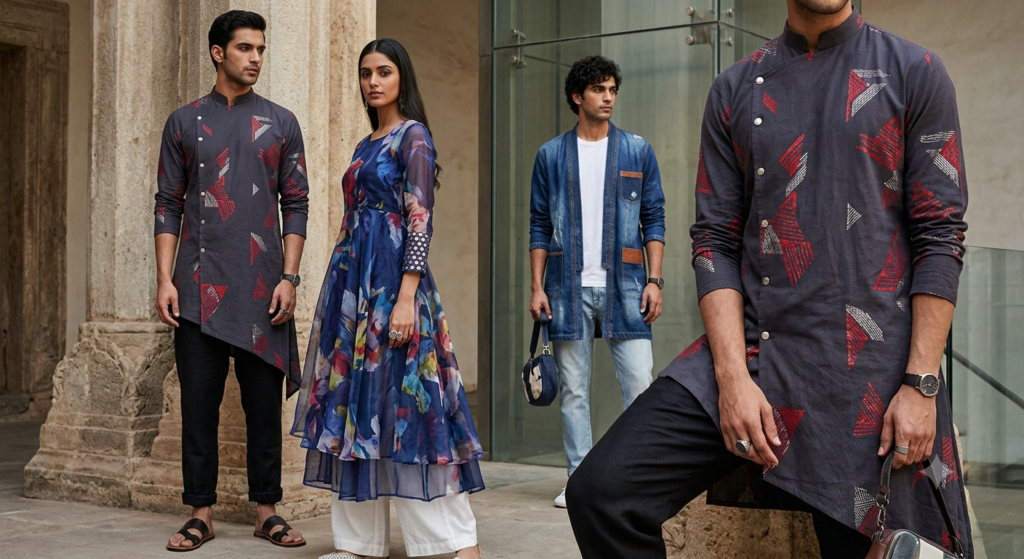
Types of Kurtas
1. Straight-Cut Kurta
The most classic and widely worn style, featuring clean lines and a relaxed, straight silhouette. It suits nearly every body type and works well for both casual and semi-formal settings.
2. A-Line Kurta
Fitted at the top and flaring gently toward the hem, the A-line kurta offers a flattering silhouette that skims the body without being too tight, making it a popular choice for everyday wear.
3. Anarkali Kurta
Known for its dramatic, flowing silhouette, the Anarkali kurta is fitted at the bust and flares out into a full skirt-like shape. It’s often chosen for festive occasions, weddings, and formal events.
4. Short Kurti
A shorter version typically ending around the hip or mid-thigh, the kurti is a favorite for casual, everyday styling, especially when paired with jeans, leggings, or palazzo pants.
5. Angrakha Kurta
Featuring an asymmetrical, wrap-style front, the Angrakha kurta has a distinctive, elegant silhouette rooted in traditional royal fashion, now popular for both festive and contemporary wear.
Fabrics Commonly Used for Kurtas
- Cotton – Breathable and comfortable, ideal for everyday and summer wear.
- Linen – Lightweight with a relaxed drape, perfect for warm weather.
- Silk – Luxurious and smooth, commonly used for festive or formal kurtas.
- Chikankari and Embroidered Fabrics – Intricately detailed fabrics often used for special-occasion kurtas.
- Rayon and Viscose – Soft, flowy, and affordable, popular for casual and semi-formal styles.
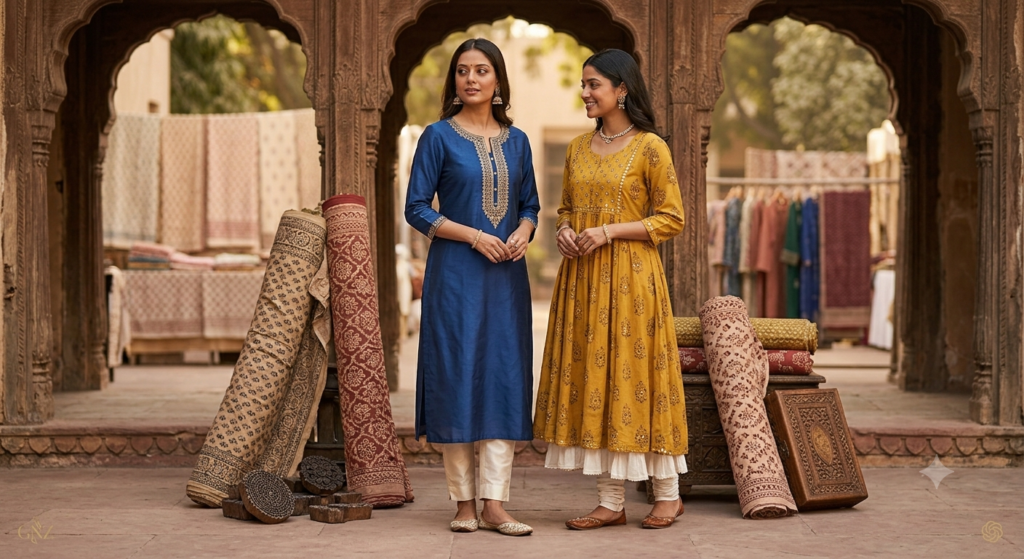
How to Style a Kurta
Casual Everyday Look
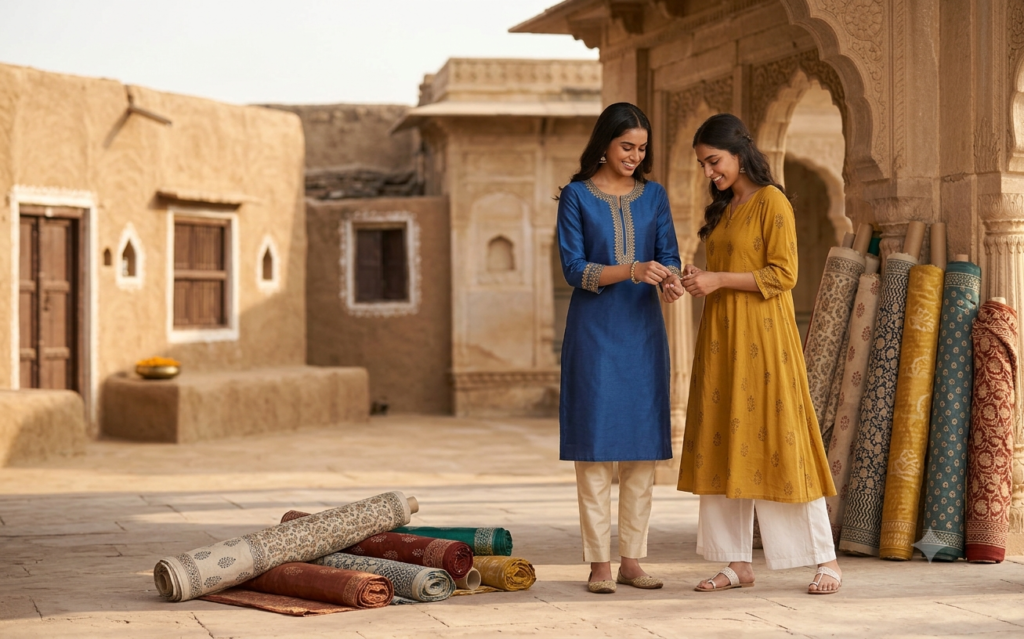
Pair a straight-cut or A-line kurta with jeans or leggings and simple sandals for a comfortable, easygoing outfit suitable for daily wear, errands, or casual meetups.
Office and Semi-Formal Wear
Choose a solid-colored or subtly printed kurta paired with tailored trousers or palazzo pants for a polished, professional look that balances comfort with a put-together appearance.
Festive and Traditional Occasions
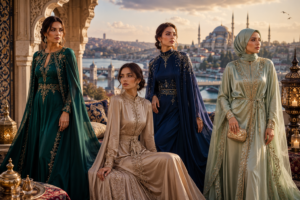
Opt for an Anarkali or embroidered kurta paired with matching bottoms like churidar or sharara, along with statement jewelry, for weddings, festivals, or cultural celebrations.
Modern Fusion Styling
Layer a kurta over jeans with a denim jacket, or belt it at the waist for a fusion look that blends traditional silhouettes with contemporary streetwear elements.
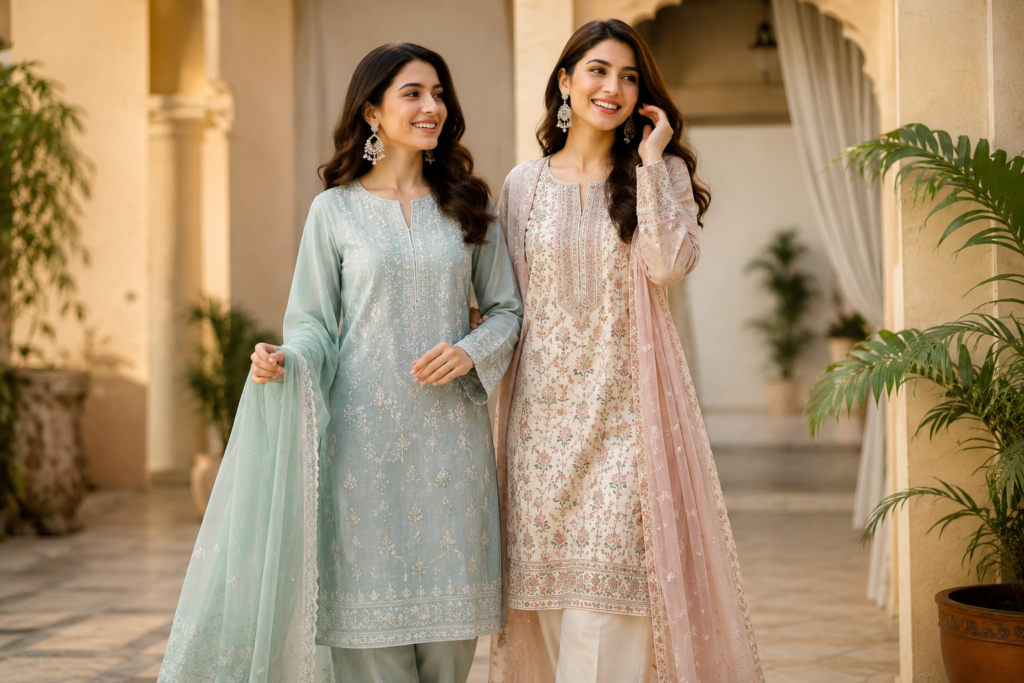
Why the Kurta Remains a Wardrobe Essential
- Comfort – Loose, breathable designs make kurtas suitable for all-day wear.
- Versatility – Easily dressed up or down depending on the occasion.
- Cultural Significance – Deeply tied to tradition while remaining relevant in modern fashion.
- Wide Range of Styles – From minimalist cuts to heavily embellished designs, there’s a kurta for every taste.
- Seasonal Adaptability – Available in fabrics suited to both hot and cold weather.
Tips for Choosing the Right Kurta
- Consider the occasion — casual outings call for simple cotton kurtas, while festive events suit richer fabrics and embellishments.
- Pick the right length — shorter kurtis suit casual pairings, while longer kurtas work well for traditional bottoms.
- Choose breathable fabrics for daily wear — cotton and linen are ideal for comfort in warmer climates.
- Don’t overlook fit — a well-fitted kurta, even in a relaxed silhouette, looks more polished than one that’s overly baggy or tight.
- Experiment with prints and embroidery — small details can transform a simple kurta into a statement piece.
Final Thoughts
The kurta’s enduring popularity comes from its rare ability to bridge tradition and modern fashion effortlessly. It adapts to nearly any occasion, climate, and personal style, making it a genuinely timeless addition to any wardrobe. Whether you’re drawn to the simplicity of a classic straight-cut kurta or the elegance of an embroidered Anarkali, this versatile garment offers something for everyone.




Post Comment